What Is Dry Lining?
If you’re renovating a property, building an extension, or converting a room, you’ve probably come across the term dry lining. But what exactly is it, and how does it compare to traditional plastering?
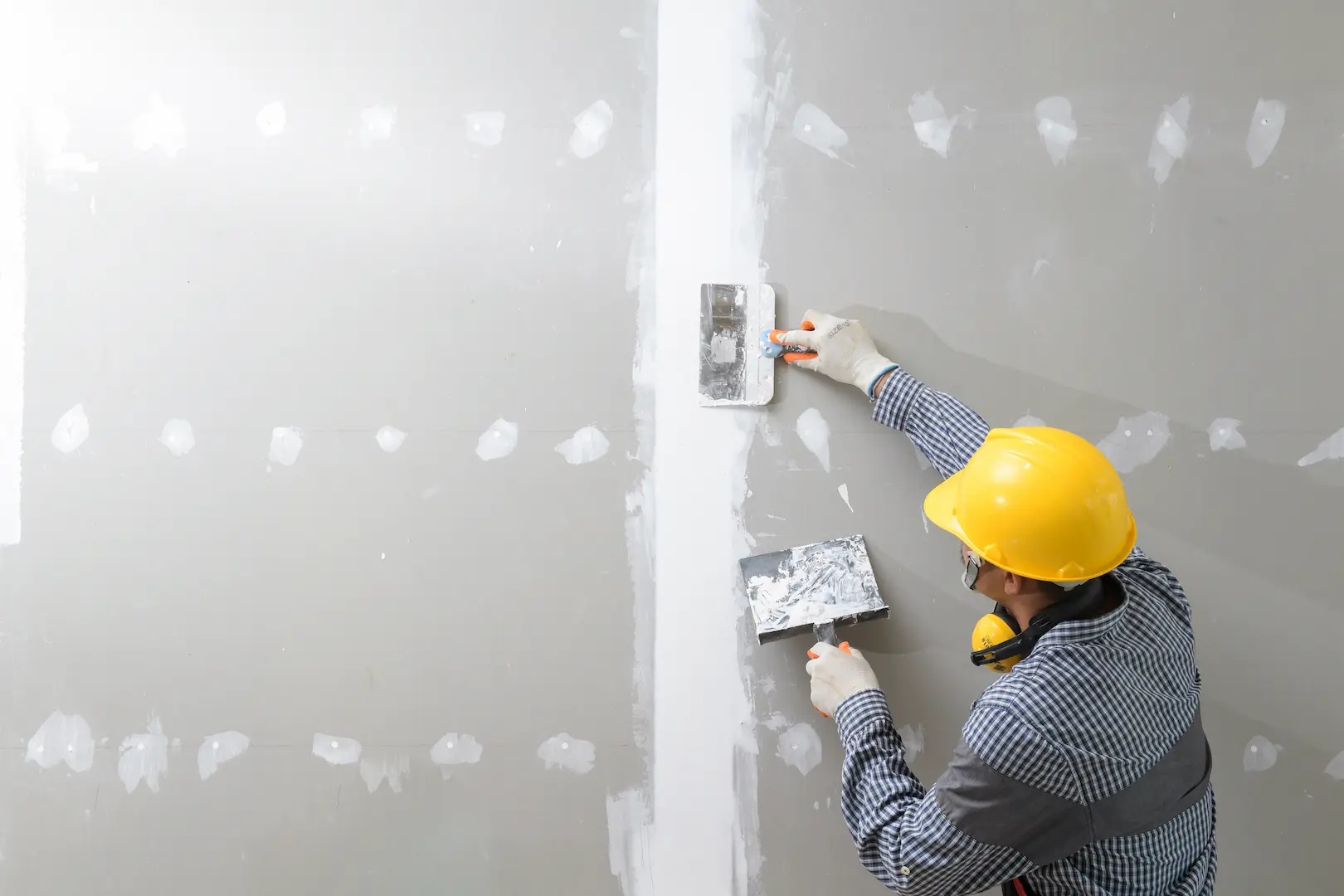
Dry lining is a construction method that involves fixing plasterboard to walls or ceilings, either using adhesive dabs or by attaching the boards to timber or metal frameworks. Once installed, the joints are taped and filled, or the surface can be finished with a thin skim coat of plaster to create a smooth appearance.
The Benefits of Dry Lining
Faster Installation
One of the biggest advantages of dry lining is speed. Traditional plastering can be a time-consuming process, requiring multiple coats and drying periods. Dry lining can be installed much more quickly, allowing other trades to continue their work sooner. This makes it an ideal solution for projects with tight deadlines.
Improved Insulation
Dry lining systems can be installed alongside insulation boards, helping to improve a property’s thermal efficiency. For older properties in Newton Abbot, dry lining can also be an effective way to improve energy efficiency without major structural changes.
Smooth, Consistent Finish
When fitted correctly, dry lining creates a clean and even surface that’s ready for decoration. It provides an excellent base for painting, wallpapering, and other interior finishes.
The Benefits of Traditional Plastering
Greater Durability
Traditional plastering is often considered the more robust option. A professionally plastered wall creates a hard, solid surface that can better withstand everyday knocks and impacts.
Ideal for Period Properties
Many older homes benefit from traditional plastering techniques, particularly where maintaining character and original features is important. Plaster can also be used to repair damaged walls and ceilings while preserving the property’s existing style.
Premium Finish
While both methods can achieve excellent results, many homeowners prefer the feel and appearance of fully plastered walls, particularly in high-end renovation projects.
Which Option Should You Choose?
The right choice depends on your property, budget, and goals. Dry lining offers speed, efficiency, and improved insulation, making it ideal for many modern building projects. Traditional plastering remains a fantastic option where durability, character, and a premium finish are priorities.
Professional Plastering and Dry Lining in Newton Abbot
Whether you’re building a new extension, renovating a property, or upgrading tired interior walls, expert advice can help you choose the right solution. Our experienced Newton Abbot plasterers provide both dry lining and traditional plastering services, delivering high-quality workmanship tailored to your project.